The Evolution of Playstation: Tracing Its Progress from PS1 to PS5
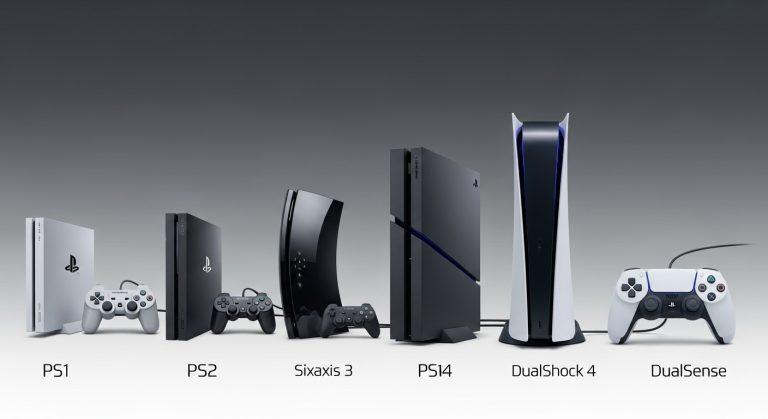
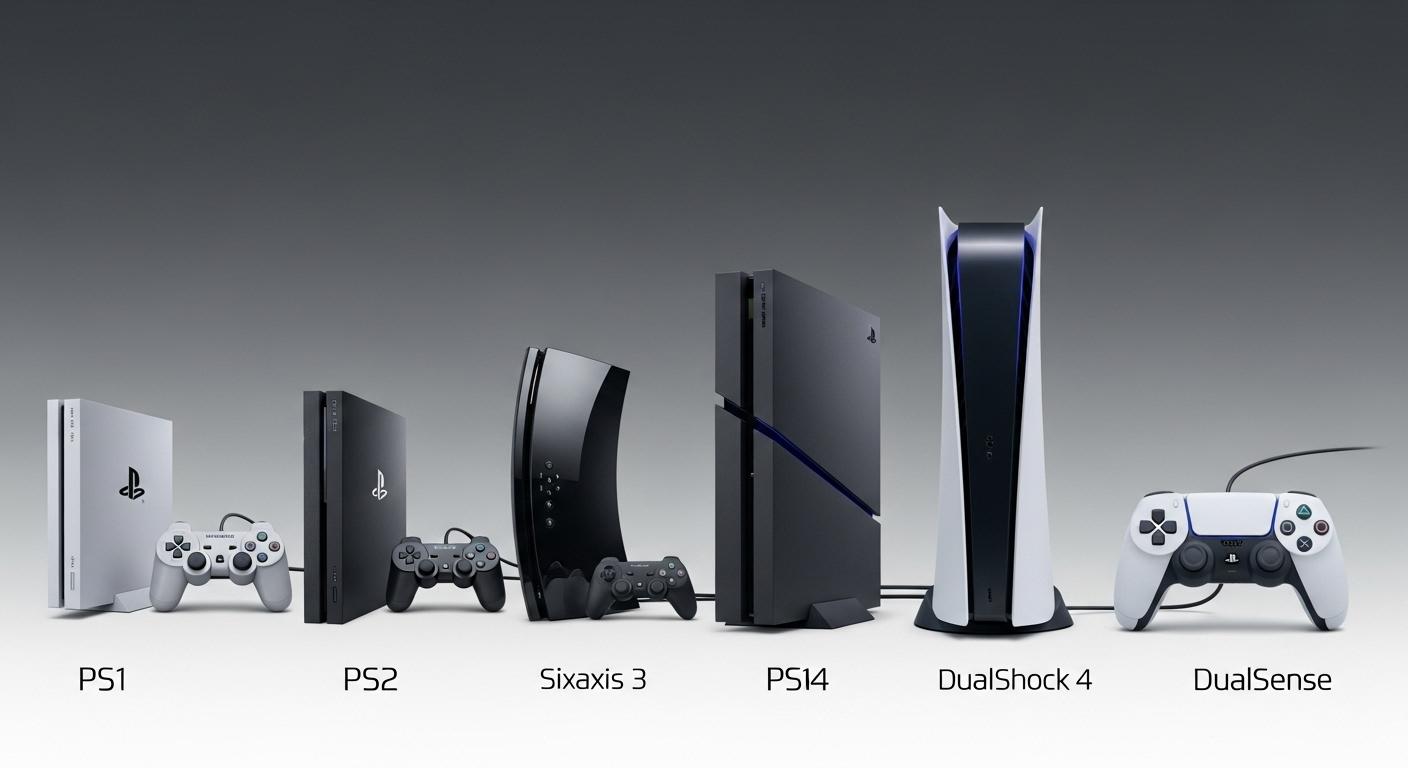
Since its debut in the mid-1990s, the PlayStation has revolutionized the gaming industry, setting new standards in graphics, gameplay, and immersive experiences. As we trace the journey from the original PlayStation (PS1) to the latest PlayStation 5 (PS5), we witness technological advancements and a commitment to enhancing user experience that has kept Sony at the forefront of the gaming world.
The Birth of a Gaming Icon: PlayStation 1
Released in December 1994 in Japan and September 1995 in North America, the PlayStation 1 was Sony’s first foray into the world of gaming consoles. It marked a significant shift from cartridge-based systems to CD-ROMs, allowing for greater storage capacity and improved game graphics. Titles like Final Fantasy VII and Metal Gear Solid became instant classics, showcasing the potential of this new platform.
The PS1’s success was not just about technology; it was also about strategic marketing. Sony targeted a broader audience, including older gamers, and established a brand that was synonymous with cutting-edge gaming. This approach paid off, with the PS1 selling over 100 million units worldwide.
PlayStation 2: A Game-Changer
In March 2000, Sony launched the PlayStation 2 (PS2), which would go on to become the best-selling console of all time. The PS2’s introduction of the DVD format was a key factor in its success, allowing it to double as a home entertainment system. With an extensive library featuring hits like Grand Theft Auto: San Andreas and Shadow of the Colossus, the PS2 captivated a global audience.
Another major advancement was the introduction of backward compatibility, allowing gamers to play PS1 games on the new system. This feature, combined with an affordable price point, cemented the PS2’s place in gaming history.
The High-Definition Leap: PlayStation 3

The PlayStation 3 (PS3), released in November 2006, marked Sony’s entry into the high-definition era. Equipped with the powerful Cell processor and the Blu-ray disc format, the PS3 was designed to deliver stunning visuals and expansive game worlds. Despite a rocky start due to its high price, the PS3 eventually found its footing with exclusive titles like Uncharted 2: Among Thieves and The Last of Us.
Online multiplayer also became a focal point with the PlayStation Network, which allowed gamers to connect, compete, and cooperate in a virtual space. The network’s growth paved the way for digital downloads and streaming services, transforming the way games were purchased and played.
PlayStation 4: The Social Gaming Hub
Launched in November 2013, the PlayStation 4 (PS4) emphasized social interaction and connectivity. With features like the Share button, players could easily broadcast gameplay and connect with friends, fostering a sense of community. The PS4’s architecture was also more developer-friendly, resulting in a vast array of third-party titles and exclusives such as Bloodborne and God of War.
The PS4 Pro, introduced in 2016, added 4K support and enhanced performance, catering to gamers seeking the ultimate visual experience. This iteration solidified Sony’s commitment to pushing the boundaries of gaming technology.
The Next-Gen Experience: PlayStation 5
The PlayStation 5 (PS5), released in November 2020, represents the pinnacle of Sony’s gaming innovation. With its custom SSD, the PS5 offers lightning-fast load times, allowing developers to create seamless and expansive game worlds. The introduction of ray tracing technology further enhances visual fidelity, providing more realistic lighting and shadows.
The DualSense controller is another highlight, featuring haptic feedback and adaptive triggers that offer a more immersive gaming experience. The PS5’s backward compatibility with PS4 games ensures a smooth transition for existing users, while new titles such as Demon’s Souls and Ratchet & Clank: Rift Apart demonstrate the console’s capabilities.
Conclusion: A Legacy of Innovation
From the humble beginnings of the PS1 to the cutting-edge technology of the PS5, Sony’s PlayStation has consistently evolved, setting new benchmarks in the gaming industry. The brand’s commitment to innovation, quality, and user experience has ensured its place as a leader in the console market. As technology continues to advance, one can only imagine what the future holds for this iconic gaming franchise.
For more insights into the PlayStation’s impact on gaming culture, visit IGN, or explore the technological advancements at Wired. For gaming enthusiasts looking for community and connection, GameSpot offers a vibrant platform. Finally, for a deeper understanding of the PlayStation’s history, GamesRadar provides comprehensive retrospectives.
The Impact of PlayStation on Gaming Culture
The PlayStation brand has not only influenced hardware and software development but has also had a profound impact on gaming culture as a whole. Its focus on diverse and rich storytelling has paved the way for games to be recognized as a form of art and narrative. Titles such as The Last of Us and Journey have received critical acclaim for their emotional depth and have influenced countless developers to prioritize narrative alongside gameplay mechanics.
Moreover, the PlayStation has been instrumental in promoting eSports and competitive gaming. The evolution of online multiplayer capabilities with each console generation has allowed PlayStation to host numerous tournaments and events, bringing together players from around the world in a shared competitive spirit. For a deeper look at how PlayStation has influenced eSports, check out resources like The Esports Observer.
The Community and Connectivity
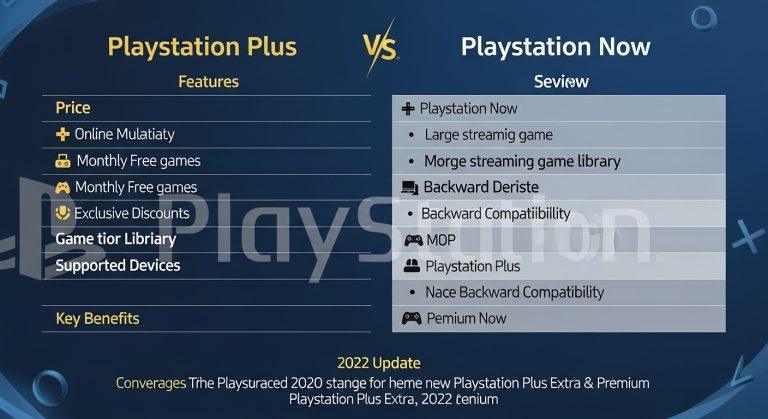
From its earliest days, the PlayStation brand has fostered a strong community among gamers. The introduction of online capabilities with the PS2 and the expansion of the PlayStation Network on the PS3 and PS4 have made it easier than ever for players to connect, share experiences, and collaborate on gaming projects. Services like PlayStation Plus have further enhanced this connectivity by offering free games and exclusive discounts, as well as enabling cloud saves and online multiplayer capabilities.
Social media integration with the PS4 and PS5 has also allowed players to share their gaming achievements and experiences with a broader audience, turning gaming into a more inclusive and communal activity. This connectivity is well-documented in studies by TechRadar, which explore the impact of social gaming on community building.
The Future of PlayStation
As we look ahead, the future of PlayStation appears to be as promising as its past. With advancements in virtual reality, AI, and cloud gaming, the potential for new and innovative gaming experiences is vast. Sony‘s investment in PlayStation VR and the PlayStation Now streaming service suggests a continued focus on providing players with diverse ways to engage with their favorite titles.
Additionally, the ever-growing ecosystem of indie games supported by the PlayStation Store indicates a commitment to nurturing creativity and innovation within the gaming industry. This openness to diverse gaming experiences ensures that the PlayStation platform remains at the cutting edge of entertainment, offering something for every type of gamer.
Conclusion: A Journey of Innovation and Excellence
The evolution of PlayStation from the PS1 to the PS5 is a testament to Sony’s dedication to pushing the boundaries of what is possible in gaming. Each console generation has brought new technological advancements and has broadened the scope of what games can achieve. Whether through breakthroughs in graphic technology, the refinement of online services, or the creation of unforgettable gaming worlds, PlayStation has consistently set the standard for excellence.
As the gaming industry continues to evolve, the legacy of PlayStation will undoubtedly continue to shape the future, inspiring new generations of gamers and developers alike. For those interested in exploring the broader impact of PlayStation and its role in shaping gaming trends, CNET offers insightful analyses and updates on the latest developments in the gaming world.
PlayStation and Technological Innovations
Throughout its history, PlayStation has been synonymous with technological innovation. Each console generation has introduced groundbreaking features that have not only enhanced gameplay but have also set industry standards. For instance, the PS3’s introduction of Blu-ray technology was a significant leap forward, allowing for larger and more complex game worlds. This trend continued with the PS4 and PS5, where 4K resolution and solid-state drives became the norm, drastically reducing load times and improving game performance.
The PlayStation VR, introduced during the PS4 era, was another major advancement. As one of the first mainstream VR systems, it provided players with immersive 360-degree gaming experiences. The ongoing development of VR technology promises to further blur the lines between gaming and reality, offering new dimensions of interaction and engagement.
PlayStation’s Influence on Game Development
PlayStation’s impact on game development cannot be overstated. With each new console, Sony has provided developers with powerful tools to bring their visions to life. The user-friendly architecture of the PS4, for example, made it easier for developers to create high-quality games, resulting in a rich library of both AAA and indie titles.
Sony’s support for third-party developers has also been a crucial factor in PlayStation’s success. By fostering strong relationships with developers and offering platforms like the PlayStation Indies initiative, Sony has ensured a diverse range of games for its consoles. This commitment to variety and creativity is evident in the vast array of genres and styles available to PlayStation users.
Global Reach and Cultural Impact
PlayStation’s influence extends beyond gaming consoles to global pop culture. Iconic characters like Crash Bandicoot, Nathan Drake, and Kratos have become household names, and PlayStation’s franchises have expanded into other media, including movies and merchandise. The cultural impact of these games is reflected in their ability to bring people together, transcending language and geographical barriers.
Furthermore, PlayStation has played a pivotal role in the globalization of gaming, with a presence in nearly every country around the world. This global reach has allowed Sony to cater to a wide range of cultural tastes and preferences, ensuring that PlayStation remains a beloved brand worldwide.
Challenges and Triumphs
The journey from PS1 to PS5 has not been without challenges. Each console launch has come with its own set of hurdles, from production issues to competition from other gaming giants. However, Sony has consistently overcome these obstacles through innovation, strategic marketing, and a focus on delivering quality experiences.
One such triumph was the overwhelming success of the PS4, which regained the market share lost during the early PS3 era. By listening to consumer feedback and focusing on what gamers wanted, Sony was able to deliver a console that met and exceeded expectations.
Looking to the Horizon
As Sony continues to innovate, the future of PlayStation looks bright. With ongoing advancements in cloud gaming, artificial intelligence, and virtual reality, the potential for new gaming experiences is endless. Sony’s commitment to sustainability and environmentally friendly practices also suggests a forward-thinking approach that will ensure PlayStation remains relevant and impactful in the years to come.
The evolution of PlayStation is a remarkable journey of technological prowess and cultural influence. As we anticipate the next chapter in PlayStation’s history, it is clear that Sony will continue to lead the way in delivering groundbreaking gaming experiences that captivate and inspire players around the world.