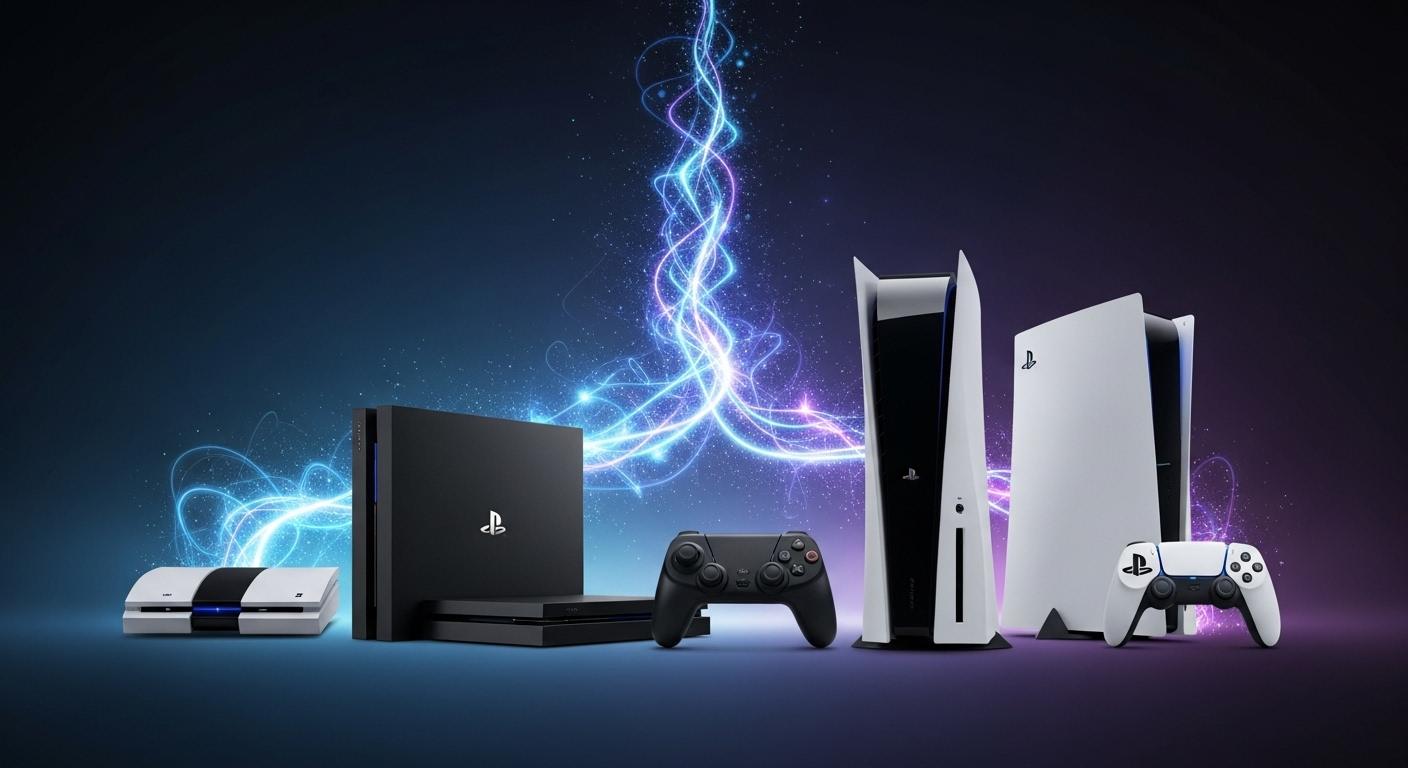
The Evolution of Playstation: Tracing Its Progress from PS1 to PS5
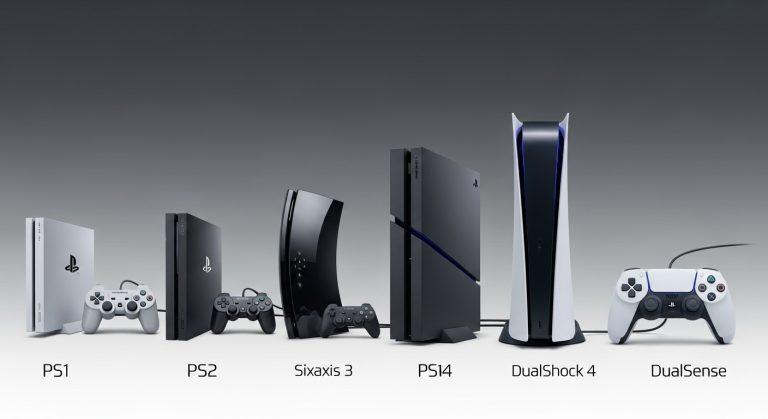
Since its inception in 1994, the Playstation brand has been a cornerstone in the gaming industry. As of today, Sony’s gaming consoles have transformed significantly, both in technology and cultural impact. Let’s embark on a journey through time to explore how Playstation has evolved from the original PS1 to the cutting-edge PS5.
The Birth of a Legend: Playstation 1
Launched in December 1994, the Playstation 1 was a revolutionary product that redefined gaming. With its use of CDs instead of cartridges, the PS1 offered superior storage, allowing developers to create larger, more complex games. Titles like “Final Fantasy VII” and “Metal Gear Solid” became iconic, cementing the PS1’s place in gaming history.
The PS1 also introduced us to beloved franchises such as “Resident Evil” and “Gran Turismo,” setting the stage for future innovations. Its success was not just technological; the Playstation 1 built a community of gamers that expanded beyond the arcade and into living rooms worldwide.
Playstation 2: The Era of Dominance
Released in March 2000, the Playstation 2 became the best-selling gaming console of all time, with over 155 million units sold. Its compatibility with DVDs wasn’t just a leap in gaming technology but also transformed it into a home entertainment system. This multifunctionality was a game-changer, bolstered by an impressive library of over 3,800 games.
Titles like “Grand Theft Auto: San Andreas,” “Shadow of the Colossus,” and “God of War” showcased the PS2’s capabilities. The console’s backward compatibility with PS1 games ensured that gamers could continue to enjoy their favorite titles while exploring new ones, further solidifying the Playstation brand.
The PlayStation 3: A Technological Marvel

Released in November 2006, the Playstation 3 was initially met with a mixed reaction due to its high price point and complex architecture. However, it eventually found its footing thanks to a robust lineup of exclusive games like “Uncharted,” “The Last of Us,” and “LittleBigPlanet.”
The PS3’s introduction of Blu-ray technology contributed to the popularity of HD gaming and movies. Online play was another crucial feature that began with the PS3, setting the stage for a more connected gaming experience. Its Cell processor, although initially challenging for developers, eventually became a powerhouse for gaming innovation.
Playstation 4: Redefining Success
The Playstation 4, released in November 2013, marked a return to form for Sony. With a more developer-friendly architecture, the PS4 quickly amassed a diverse portfolio of games that appealed to gamers of all types. The introduction of the Playstation Network and Playstation Plus membership extended the console’s capabilities, offering free monthly games and exclusive discounts.
Critically acclaimed titles like “Bloodborne,” “Horizon Zero Dawn,” and “Spider-Man” showcased the PS4’s impressive graphics and storytelling prowess. The console’s affordability and strong marketing strategy helped it outsell its competitors, reaffirming Sony’s dominance in the gaming industry.
The Next Generation: Playstation 5
In November 2020, the Playstation 5 was launched, and it represented a significant leap forward in gaming technology. With its ultra-fast SSD, ray tracing capabilities, and 3D audio technology, the PS5 offers an immersive experience that is unprecedented in console gaming.
The PS5’s unique design and powerful hardware provide the foundation for exclusive games like “Demon’s Souls,” “Ratchet & Clank: Rift Apart,” and “Returnal.” With backward compatibility for most PS4 games, the transition to the new generation was seamless for users, ensuring that the PS5 could immediately leverage the existing library of popular titles.
Conclusion: The Enduring Legacy of Playstation
As we trace the evolution of Playstation from the PS1 to the PS5, it becomes clear that Sony has consistently pushed the boundaries of what is possible in gaming. Each iteration has brought new technologies and unforgettable experiences that have shaped the industry and the lives of gamers around the world.
With the PS5 continuing to break new ground, it’s exciting to imagine what the future holds for the Playstation brand. Whether through technological advancements or groundbreaking games, one thing is certain: Playstation’s legacy is secure, and its influence on the gaming world will continue to grow.
The Impact on Gaming Culture
The evolution of Playstation has significantly influenced gaming culture over the decades. Each console introduced new features that changed how people engage with games. The PS2’s DVD capabilities and the PS3’s Blu-ray adoption were milestones in making consoles a centerpiece in home entertainment. The PS4’s social sharing features and the PS5’s integration of VR technology have further expanded the social and immersive aspects of gaming.
Playstation has also been instrumental in elevating the status of gaming as a legitimate form of entertainment. The narrative depth and artistic quality of Playstation exclusives have attracted a more diverse audience, blurring the lines between gaming and other forms of storytelling. This shift has led to increased acceptance and appreciation of video games as a cultural phenomenon.
Technological Innovations Over the Years
One of the key drivers of Playstation’s success has been its commitment to technological innovation. Each console generation has introduced features that set new benchmarks in the industry. The PS1’s use of CD-ROMs opened up possibilities for more complex games, while the PS2’s Emotion Engine processor offered groundbreaking graphics performance for its time.
The PS3’s introduction of the Cell processor and the PS4’s emphasis on social connectivity and shareability marked significant technological advancements. With the PS5, Sony has embraced cutting-edge technology such as ray tracing and ultra-fast SSDs, providing developers with the tools to create worlds that are more detailed and immersive than ever before.
Playstation’s Role in Esports and Online Communities
Over the years, Playstation has played a pivotal role in the growth of esports and online gaming communities. The introduction of Playstation Network allowed gamers to connect and compete globally, laying the groundwork for competitive gaming. Titles like “Call of Duty” and “FIFA” have become staples in the esports scene, with tournaments attracting millions of viewers.
Moreover, Playstation’s support for streaming and sharing gameplay has enabled gamers to build communities around their favorite games. Platforms like Twitch and YouTube have seen substantial growth thanks to content generated by Playstation users, further solidifying the console’s impact on gaming culture.
Looking to the Future
As we look forward, the future of Playstation appears to be as promising as its past. The PS5’s hardware capabilities and Sony‘s commitment to exclusive content suggest that the next few years will see the launch of innovative games that push the boundaries of storytelling and interactivity.
Moreover, with the evolving landscape of gaming, including the rise of cloud gaming and advancements in AI, Playstation is well-positioned to adapt and thrive. Whether through partnerships, acquisitions, or proprietary developments, Sony continues to explore ways to enhance the gaming experience for its community.
Conclusion: A Legacy of Innovation and Entertainment
The journey of Playstation from the PS1 to the PS5 is a testament to Sony’s dedication to innovation and quality. Each console has not only met but often exceeded the expectations of gamers worldwide, creating a legacy that is both rich and influential.
As the gaming industry continues to evolve, Playstation remains at the forefront, offering experiences that captivate and inspire. With a loyal fanbase and a commitment to pushing technological boundaries, Playstation’s future looks as bright as its storied past.
The Playstation Community: A Global Phenomenon
One of the most enduring aspects of the Playstation brand is its ability to foster a sense of community among its users. From the earliest days of the PS1, gamers have connected over their shared experiences, and with each new console, this community has only grown stronger. Online forums, social media groups, and in-game chat functions have allowed players from all over the world to come together, share tips, and discuss their favorite games.
With the advent of the Playstation Network, the community aspect took on a new dimension. Gamers could now easily find each other, join multiplayer games, and even watch live streams of gameplay. This connectivity has not only enhanced the gaming experience but has also made Playstation a central hub for gaming culture.
Playstation’s Contribution to Game Development
Beyond hardware, Playstation has had a profound impact on the development of games themselves. Sony’s investment in first-party studios has resulted in a slate of critically acclaimed titles that push the boundaries of what games can be. Studios like Naughty Dog, Santa Monica Studio, and Guerrilla Games have produced games that are not only visually stunning but also narratively rich and emotionally engaging.
Playstation’s support for indie developers has also been significant. By providing smaller studios with the resources and platform to reach a global audience, Sony has helped to diversify the types of games available on its consoles. This has led to an explosion of creativity and innovation, with indie games often taking risks that larger studios cannot.
The Role of Backward Compatibility
Backward compatibility has been a key feature for Playstation, particularly in recent years. The ability to play older games on newer consoles has been a huge draw for many gamers, offering both nostalgia and convenience. With the PS5, Sony has ensured that the transition from the PS4 is as smooth as possible, with most PS4 games being playable on the new system.
This commitment to backward compatibility reflects Sony’s understanding of the importance of game preservation. As the industry continues to evolve, the ability to access and enjoy older titles ensures that the legacy of gaming is not lost to time.
Challenges and Criticisms
Despite its many successes, Playstation has faced its share of challenges and criticisms. Issues such as the PS3’s complex architecture and initial pricing missteps have been learning experiences for Sony. Additionally, the ongoing competition with other gaming giants like Microsoft and Nintendo has kept Sony on its toes, pushing it to continually innovate and improve.
Consumer expectations are higher than ever, and the pressure to deliver high-quality, seamless experiences is immense. Sony’s response to these challenges will, in part, determine its future success and the continued evolution of the Playstation brand.
A Look Ahead: The Future of Playstation
Looking ahead, the future of Playstation is filled with possibilities. The rise of technologies such as virtual reality and augmented reality presents new opportunities for immersive experiences. Sony’s investment in these areas, alongside its continued focus on developing compelling content, suggests that the next generation of Playstation will be just as transformative as the last.
Moreover, as gaming becomes more integrated with other forms of media and entertainment, Playstation is well-positioned to expand its influence. Whether through partnerships with Hollywood studios or collaborations with tech companies, the potential for growth is vast.
In conclusion, the evolution of Playstation is a story of innovation, community, and entertainment. From the PS1 to the PS5, each console has built upon the successes of its predecessors, offering new experiences and setting new standards in gaming. As Playstation continues to evolve, one thing is certain: it will remain a central and beloved part of the gaming world for years to come.