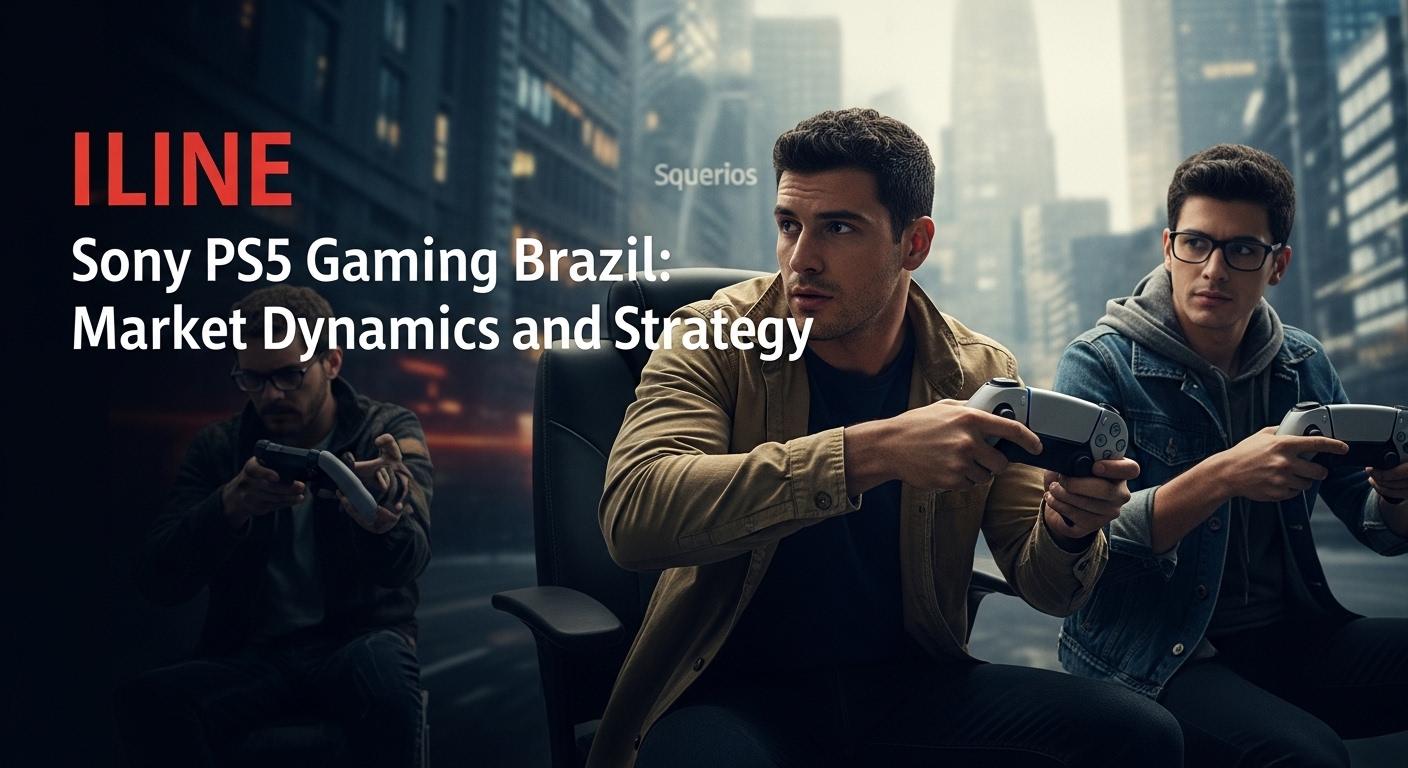
sony PS5 Gaming Brazil stands at a pivotal juncture where macroeconomic realities, import policies, and a growing local gaming culture collide. Brazilian players are navigating a landscape where hardware availability, currency volatility, and price sensitivity influence purchase cycles just as much as exclusive titles and local community growth. This analysis looks beyond headlines to map the causal links shaping the PS5 ecosystem in Brazil, offering a grounded view for players, retailers, and developers who must plan with both long horizons and immediate constraints in sight.
Market dynamics shaping sony PS5 Gaming Brazil
In Brazil, the PS5’s trajectory is inseparable from the country’s broader economic context. Import duties, tax regimes, and currency fluctuations have historically translated into higher sticker prices than in more stable markets. Even when Sony reduces its online prices or bundles the console with games or services, the landed cost for Brazilian customers remains sensitive to the real’s performance against the dollar and the rate of inflation. This dynamic creates windows of opportunity when the price gap narrows—generally aligned with favorable exchange rates or promotional periods—yet also leaves many would-be buyers waiting for the next cycle of discounts or financing offers.
Beyond price, supply chain resilience matters. Retail networks across Brazil—both online marketplaces and traditional electronics chains—have grown adept at synchronizing inventory with demand signals, but regional disparities persist. In cities with robust internet penetration and courier networks, PS5 bundles and digital cards reach households quickly; in more distant zones, delays can stretch weeks. The result is a purchasing pattern that blends impulse buys during promotions with longer planning cycles for families financing the console over time, a practice reinforced by local credit systems and installment options.
On the consumer side, the rise of digital libraries and subscription services is shifting expectations. The migration from discs to digital downloads, while not universal, accelerates as Portuguese-language storefronts expand and streaming or cloud-based gameplay becomes more viable on broadband tied to urban centers. The Brazilian audience values localized content, Portuguese-language support, and time-synchronized events that connect players with developers and publishers in real time. These preferences directly influence Sony’s lineup curation and marketing cadence in the region.
Strategies and challenges for Sony in Brazil
Sony’s Brazil strategy sits at the intersection of price sensitivity and prestige gaming. The company faces a dual mandate: keep the PS5 accessible enough to broaden the installed base, while preserving the premium positioning that supports higher-margin software and services. Localization plays a central role here. Portuguese-language interfaces, subtitles, and culturally resonant game promotions help convert interest into ongoing engagement. Localized event programming—whether at major gaming expos or community-led tournaments—can solidify the PS5 as a social platform rather than a solitary device.
Another strategic axis is the expansion of PlayStation Plus options. In markets with rapid digital adoption, tiered subscription models—combining online multiplayer access, catalogs of games, and cloud streaming—can drive recurring revenue and deepen engagement. For Brazil, tailoring the pricing structure to local income levels and offering compelling bundles with popular titles could reduce churn and broaden the platform’s reach beyond early adopters. This is especially important in a market where competing services, mobile gaming, and PC ecosystems are every day options for Brazilian players.
Sony must also navigate distribution realities. Partnerships with regional retailers, fintechs, and online marketplaces determine how easily a family can secure a PS5 through installments or promotional bundles. A successful approach blends predictable availability with diversified purchase channels, reducing the risk of stockouts that frustrate potential buyers and open the door for gray-market resale that can undermine pricing discipline.
Player behavior and ecosystem: how Brazilians are gaming on PS5
Brazilian players are increasingly viewing PS5 as a social platform that extends beyond single-player experiences. Shared living rooms, local co-op sessions, and online communities around popular titles help anchor the console as a family and friend-centered activity. This social dimension intersects with growth in online multiplayer and the perceived value of subscriptions that unlock broad catalogs without the need to purchase individual games upfront. The appeal of exclusive or time-limited content—paired with affordable access through local currency pricing—drives not only initial purchases but also ongoing engagement with the platform.
However, the ecosystem’s health depends on reliable network access. While major urban centers enjoy robust broadband, rural and smaller cities still face variable connection speeds and data caps. Sony’s long-run success in Brazil may hinge on network-friendly features, such as more efficient digital libraries, lighter digital downloads, and features that optimize cloud-based play where infrastructure allows. In parallel, the growth of developers targeting Portuguese-language audiences and culturally relevant genres supports a more vibrant local ecosystem, encouraging user retention and expansions into user-generated content, community events, and localized esports scenes.
Policy and consumer protection: what to watch
Brazil’s consumer protection frameworks provide a backdrop that both safeguards buyers and shapes how Sony can price, bundle, and service PS5 hardware. Warranty terms, dispute resolution options, and clear disclosures about installment plans are essential to building trust, particularly for first-time console buyers. Policymakers and regulators are paying increasing attention to digital services, including how subscription pricing aligns with local purchasing power and how cross-border content is priced for Brazilian users. For Sony, compliance and transparent customer service translate into lower returns, higher satisfaction, and stronger brand equity over time.
On the policy front, tariff regimes and import duties will likely influence pricing pressures in the near term. A gradual stabilization of the real, along with targeted incentives for consumer electronics could narrow price gaps with other regions. In the longer term, a more predictable fiscal environment would enable longer planning horizons for Sony’s investments in Brazil—from local marketing and support teams to partnerships that extend the PS5 ecosystem into schools, libraries, and community centers.
Actionable Takeaways
- Players: monitor official Sony promotions and bundle offers to maximize value when the PS5 price is favorable, and consider financing options that align with household budgets.
- Retailers: build diversified channels (online and offline) to reduce stockouts, and offer Portuguese-language support and clear installment terms to boost consumer confidence.
- Publishers/developers: localize content and marketing for Brazil, invest in Portuguese-language storefronts, and time releases to align with Brazilian gaming events and holidays.
- Policy makers: encourage consumer protections that support transparent pricing, warranty terms, and accessible dispute resolution for electronics consumers.
- Sony: deepen PS Plus tier differentiation for Brazil with affordable entry points, expand localized content, and partner with local networks to improve accessibility and community engagement.
- Analysts: track currency trends, import policies, and consumer credit conditions, as these factors strongly influence hardware adoption cycles in Brazil.
Source Context
For background context on related developments in the region and the gaming ecosystem, see these sources: