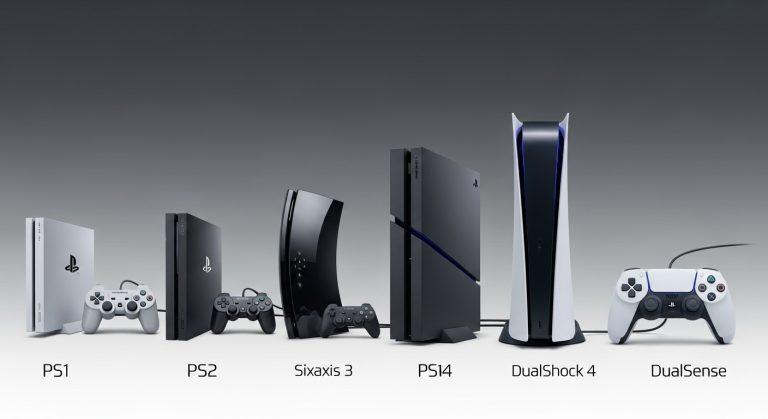
PS5 Gaming Brazil stands at a crossroads where global platform strategy meets Brazil’s distinct market dynamics. This analysis explores how price sensitivity, supply conditions, and localized content shape the PlayStation ecosystem in Brazil, and it frames practical scenarios for players, developers, and retailers navigating a rapidly evolving environment.
Market Realities Driving PS5 Adoption in Brazil
Brazil represents a sizable and continually growing base of console enthusiasts in Latin America, yet the PS5 faces structural headwinds that influence adoption rates. Import duties, taxes, and currency fluctuations create a higher upfront barrier than in many other markets. The result is a two-track reality: while official distributors emphasize warranty and post-purchase support, a substantial segment of consumers compares total cost of ownership across bundles, promotions, and gray-market options. In practice, price dispersion relative to disposable income means promotions and financing options can be as decisive as raw hardware availability.
Sony’s approach in Brazil blends localization with a multi-channel distribution strategy. Portuguese PT-BR localization of system menus, user interfaces, and a broad game catalog improves perceived value and accessibility. Bundled offers and region-specific promotions can dampen sticker shock, especially during holiday periods. Yet even with localized content, the price-performance equation remains sensitive to macroeconomic shifts. The consequence for players is a decision matrix that weighs immediate affordability against longer-term software value and ecosystem investments, such as PlayStation Plus subscriptions and access to a growing library of titles optimized for the DualSense experience.
Supply Chains, Pricing, and the PlayStation Strategy
Global supply constraints for new-generation consoles have underscored the importance of efficient distribution networks. In Brazil, logistics, import flows, and regional warehousing influence stock availability at official retailers. When supply aligns with strategic pricing, the result can be improved consumer confidence and fewer headaches for first-time buyers. Conversely, persistent stockouts or sudden price spikes can push buyers toward parallel channels, even when these options carry greater risk of warranty and reliability concerns.
From a strategic standpoint, Sony’s Brazil-facing play emphasizes three levers: local availability through authorized partners, pricing that reflects local costs while preserving perceived value, and a curated assortment of bundles that pair hardware with popular games or services. Localization of digital storefronts, including currency presentation and PT-BR messaging, enhances user trust and reduces cognitive friction during checkout. For developers and publishers, Brazil remains an attractive growth market when games offer Portuguese localization and culturally resonant content, which can translate into stronger word-of-mouth and longer engagement cycles on PS5 platforms.
Consumer Behavior and Content Localization
Brazilian players consistently demonstrate a strong appetite for online multiplayer experiences, social gameplay, and a growing interest in digital storefronts that reward consistent software investments. The DualSense controller’s haptic feedback and adaptive triggers resonate with players seeking immersive experiences, while Portuguese-language localization lowers barriers for narrative-driven titles and indie games seeking broader distribution. Content localization matters not only in subtitles and dubbing, but in culturally relevant marketing, regional showcases, and partnerships with Brazilian studios and independent developers. In practice, studios that align release cadences with Brazilian holidays, offer PT-BR audio, and integrate local feedback tend to see higher conversion rates and longer tail engagement on PS5.
Another facet is the evolving consumption pattern around PlayStation’s service layers. PS Plus and catalog integration—along with regional discount timing—can significantly affect the perceived value of PS5 ownership. Brazilian players increasingly view the platform as a service with a meaningful ongoing library rather than a one-off hardware purchase, reinforcing the importance of a robust catalog strategy and continuous localization efforts that reflect local tastes and cultural nuance.
Policy, Infrastructure, and the PS5 Experience
Beyond price and content, Brazil’s digital infrastructure and regulatory environment shape the PS5 experience. Broadband penetration and reliability influence online multiplayer and streaming quality, while data caps and bandwidth pricing affect consumer willingness to download large game updates and patches. From a policy perspective, policymakers that prioritize affordable connectivity and predictable consumer protection create a more conducive environment for long-term console ecosystems. For PlayStation, this translates into commitments around service quality, warranty support, and local customer service responsiveness—factors that directly impact brand trust and repeat purchases in a price-sensitive market.
Electricity reliability and regional power infrastructure, though not a daily hurdle for most digital experiences, can become a practical consideration for households evaluating bundle configurations and energy usage. In response, PS5’s energy efficiency characteristics and the availability of digital-only options can offer flexible choices for Brazilian households where cost management and space efficiency are important. Taken together, these policy and infrastructure dimensions help explain why localized strategies—ranging from price promotions to content localization and service accessibility—are critical for sustained PS5 momentum in Brazil.
Actionable Takeaways
- Players: Track official promotions and bundle deals from the Brazilian PlayStation Store and authorized retailers; consider digital editions when price differentials are favorable and internet access allows large downloads during off-peak hours.
- Developers/Publishers: Invest in PT-BR localization and culturally relevant content for the Brazilian market; align release cadences with local holidays and region-specific pricing opportunities to maximize penetration.
- Retailers: Optimize stock planning for peak shopping periods, offer warranty-backed bundles, and clearly communicate PT-BR localization and service options to build shopper trust.
- Policy/Infrastructure Stakeholders: Prioritize affordable broadband deployment and transparent consumer protections to bolster long-term console ecosystem growth; collaborate with platform owners to ensure reliable digital storefront experiences in Brazil.
Source Context
For readers seeking additional context on how regional dynamics shape consumer technology markets, the following sources offer relevant background and official guidance.