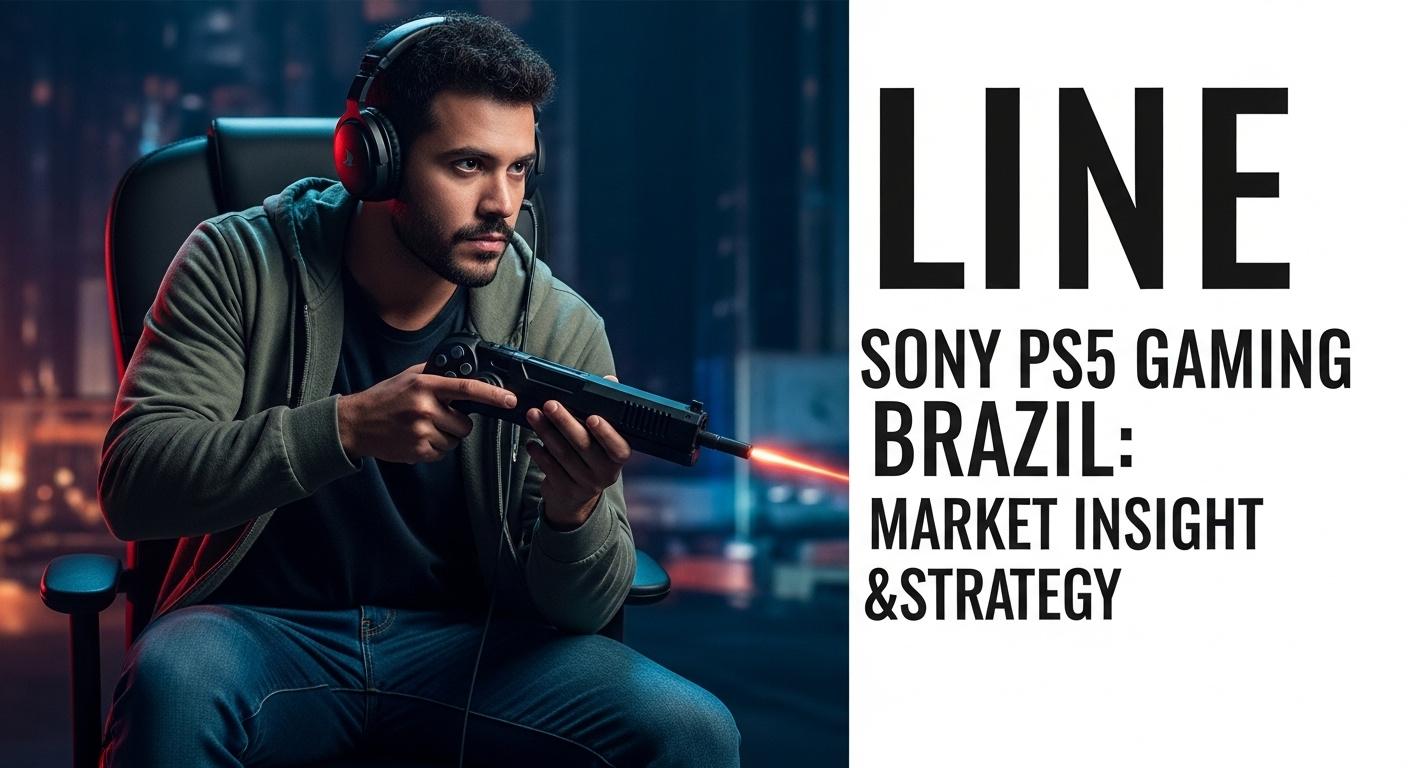
Brazilian gamer with PS5 in a cozy living room, Brazilian flag-inspired backdrop.
Updated: April 15, 2026
The landscape of sony PS5 Gaming Brazil is a study in how global console ecosystems adapt to Brazil’s unique retail terrain, income patterns, and digital culture. This analysis surveys price dynamics, supply chains, and content strategies that determine whether the PS5 becomes a broad-based entertainment platform or stays tethered to a premium niche across Brazil in 2026 and beyond.
Market reality: Brazil’s PS5 pricing, supply, and adoption
Brazil presents a paradox for console makers: high upfront costs alongside a large, digitally savvy audience hungry for next‑gen experiences. The PS5 has historically traded near premium pricing due to import taxes, currency fluctuation, and regional distribution costs. Even as manufacturing and logistics improve, prices in major urban centers can still outpace median incomes, pushing many buyers toward bundles that include games or peripherals to maximize perceived value. In parallel, the installed base expands unevenly by region, with Southeast metropolitan areas typically driving growth while rural markets lag behind due to affordability gaps and uncertain resale ecosystems. For Sony, this environment is not a hurdle to be cleared but a signal to align product and finance options with local realities, from installment-friendly plans to content-localization that resonates with Brazilian players.
Beyond hardware, content cadence matters. A steady stream of locally relevant titles, promotions, and free‑to‑play experiences helps sustain engagement between major releases. Industry observers note that bundle dynamics, accessory pricing, and regional promotions can tilt the decision calculus in favor of the PS5 over legacy platforms or competing ecosystems. In this context, the annual cadence of free PS Plus games and timely discounts can act as a keystone in maintaining momentum among new adopters and long‑term fans alike.
Strategic levers for Sony in PS5 Gaming Brazil
Sony’s approach in Brazil blends localization, financing flexibility, and ecosystem partnerships to expand reach without eroding brand perception. Localized interfaces, Portuguese-language support, and culturally tuned marketing are part of a broader effort to convert interest into ownership and, crucially, into ongoing engagement with PlayStation’s services. The company’s strategy appears to emphasize three levers: pricing and payment options, content and promotions, and the expansion of the PS5 ecosystem through services like PlayStation Plus with regionally meaningful lineups.
Financing options play a central role in Brazil, where monthly budgets are a decisive factor for standardized consumer electronics. A mix of installment plans, carrier partnerships, and retailer financing can reduce the perceived cost barrier and shorten the path from intent to purchase. Content strategy also matters: a robust and consistent lineup of free games and time‑limited promotions can sustain user activity between major releases. Localization efforts extend beyond subtitles and menus to partnerships with Brazilian publishers or studios, increasing the availability of regionally relevant experiences and improving perceived value.
From a retailer and platform perspective, Sony’s success hinges on balancing hardware supply with demand signals, avoiding stockouts that undermine trust while preventing oversupply in a market sensitive to price changes. Strategic bundles—combining a PS5 with popular titles or accessories—can raise the average transaction value and build a more durable customer relationship. In parallel, a strong emphasis on digital storefronts, cross‑device progression, and cloud or streaming options can capture consumers who favor flexibility over hardware ownership, a trend amplified by Brazil’s growing broadband penetration and mobile‑first behavior.
Consumer impact and ecosystem risks
For players, the PS5 remains a symbol of high–fidelity gaming, but the path to a sustainable ecosystem requires balancing affordability with value. If pricing pressures persist, demand could shift toward used consoles or gray markets, undermining official channels and complicating warranty and game‑distribution integrity. Conversely, if Sony sustains competitive financing, localized content, and meaningful service incentives, Brazil’s players may develop deeper engagement with the ecosystem, translating into higher lifetime value per customer and more stable VOD-like or streaming routines alongside traditional disc or digital purchases.
Risks on the horizon include inflationary pressure on electronics, regulatory changes affecting import taxes, and currency volatility that could renegotiate the economics of pricing after Christmas seasons or back‑to‑school promotions. A careful, data‑driven response—tracking regional demand curves, forecasting promotions with precision, and keeping supply chains resilient—will be essential to avoid shortages or misaligned incentives that could erode consumer confidence over time.
Actionable Takeaways
- For Sony: tailor financing options to Brazilian consumer segments, emphasizing installment plans and bundled offers that reduce up‑front cost while incentivizing ongoing service adoption.
- For retailers: align stock planning with regional demand signals, prioritizing urban centers with higher adoption rates while gradually expanding into emerging markets with targeted promos.
- For players: evaluate value beyond hardware—consider PS Plus promotions and game‑sharing policies that maximize long-term enjoyment and reduce per‑title expenditure.
- For policymakers and market observers: monitor pricing dynamics and import policies that influence affordability and competition, ensuring a healthy, transparent market for console gaming.
Source Context
Contextual references to recent developments and market commentary provide background for this analysis. See the following sources for related coverage: